Crafting Exceptional Bespoke Produce Boxes: A Progressive Walkthrough
Developing specialized fruit and vegetable boxes needs a deliberate strategy. Experts must assess environmental impact, practicality, and aesthetics. Choosing the appropriate components is essential for maintaining freshness and supporting environmentally conscious methods. Additionally, dimensions and shape can greatly influence ease of use and shipping efficiency. Effective visual elements strengthen company identity, while comprehensive testing ensures strength. Understanding these elements will reveal key knowledge into producing standout container solutions that resonate to customers. What comes next is essential to accomplishing those goals.
Choosing the Right Materials for Custom Produce Boxes
When selecting materials for custom produce boxes, it is vital to assess both performance and environmental responsibility. The selection of material greatly affects the box's durability, weight, and ability to protect the contents. Common materials consist of corrugated cardboard, which provides strength and is recyclable, making it a preferred choice for eco-conscious businesses. Biodegradable options, such as molded pulp or plant-based plastics, also comply with sustainable practices while providing adequate protection for delicate produce.
Moreover, dampness protection is indispensable for keeping quality consistent, driving some vendors to assess enhanced substances or particular protective applications. The aesthetic appeal of the box cannot be dismissed, since branding and visual presentation can shape consumer perception. Ultimately, the best option should balance between protecting the produce, appealing to customers, and meeting ecological requirements, confirming that performance and sustainable practices are emphasized within the design process.
How to Identify the Right Size and Shape for Functionality?
When selecting the form and dimensions of custom produce boxes, careful assessment of produce dimensions is essential for proper storage. Additionally, considerations for handling and transport can affect the box structure, guaranteeing ease of movement. Maximizing shelf space usage further improves functionality, enabling effective presentation and organization.
Assess Produce Dimensions Carefully
Picking the optimal size and shape for produce boxes is necessary for efficiency and effectiveness. Meticulous examination of item dimensions is critical, as it confirms that products fit snugly without excess room that might lead to harm during transport or warehousing. Purpose-built boxes need to accommodate diverse configurations, from delicate berries to substantial vegetables, while upholding strength. Moreover, the vertical and horizontal measurements of the boxes should promote stacking and organization, optimizing space in storage locations. A skillfully made box not only guards the produce but also elevates attractiveness for consumers. In conclusion, deliberate measurement analysis of dimensions contributes to curtailing losses and boosting overall user experience in the supply chain.
Assess Handling and Transport
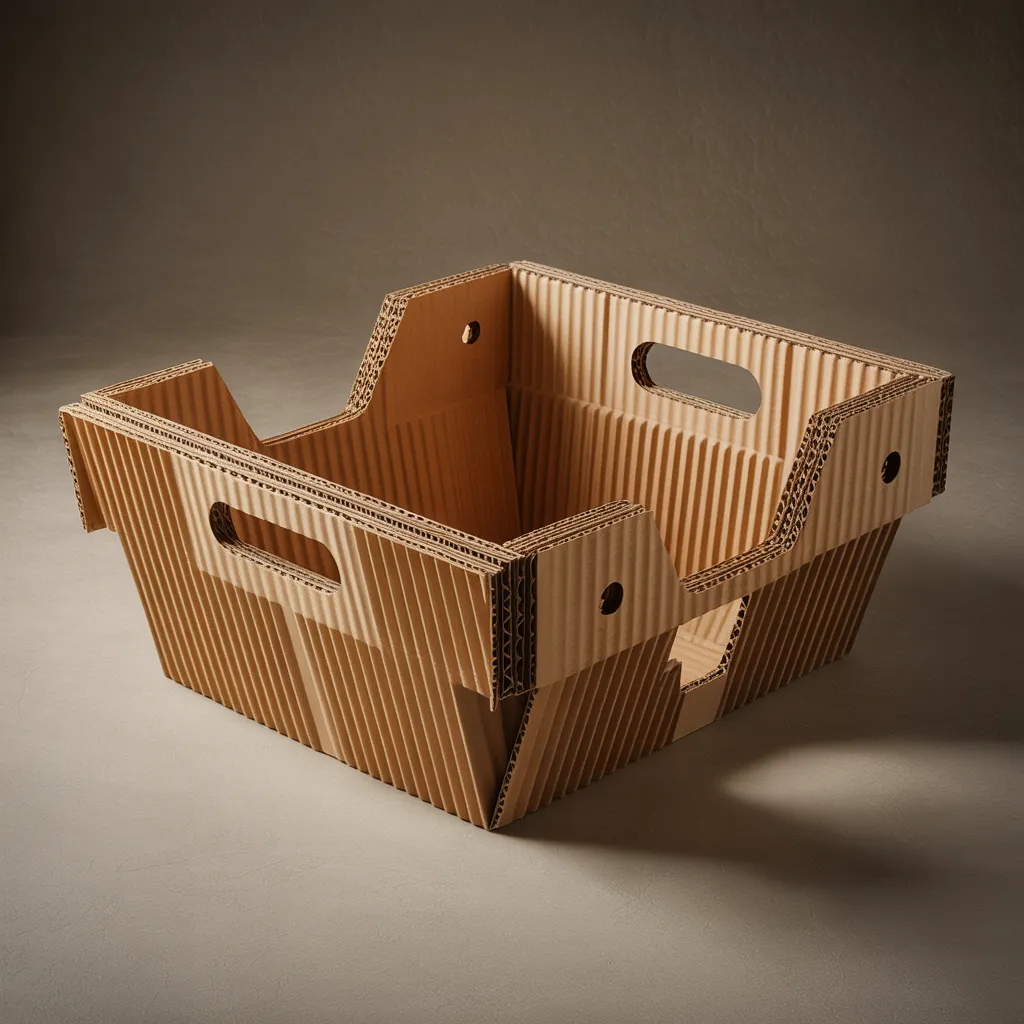
Transport and handling considerations play a important role in determining the proper size and shape of specialized agricultural containers. The dimensions must accommodate the goods without excessive room, which could lead to movement and damage during transit. Smaller, compact boxes assist with simpler management, while larger boxes may be necessary for bulkier items. Additionally, ergonomic design is vital; handles or access points should be strategically placed to permit comfortable raising and transporting. The shape of the container also impacts stacking and stability, ensuring that products stay secure. In the end, thorough evaluation of such aspects enhances the productivity of transport, minimizes product waste, and upholds the overall soundness of the fresh items from agricultural setting until consumer.
Maximize Shelf Space Efficiency
Optimal shelving management comes down to selecting the ideal size and shape of bespoke produce boxes. Teams should examine the dimensions of the display racks as well as the kinds of foodstuffs being maintained. Box-shaped boxes often advance space efficiency, supporting for improved arrangement and fitting. Yet, varied forms can enhance visual appeal but may generate unutilized areas if not appropriately mapped out.
It's important to examine the inventory turnover rate; fast-selling items might leverage smaller, conveniently positioned containers. Moreover, utilizing flexible or customizable designs can support various dimensions of merchandise while refining shelf arrangement. By stressing functionality and aesthetic value, organizations can construct a functional and attractive display that strengthens both ease of access and product prominence.
How to Develop Artwork That Command Notice?
Striking graphics can turn a straightforward custom produce box into a artistic creation that grabs focus. To achieve this, artists should start by choosing a color scheme that demonstrates the crispness and liveliness of the produce. Bright, eye-catching colors can trigger emotions of freshness and vitality, pushing consumers to take a deeper glance.
Bold typefaces is also essential; readable typefaces can properly convey crucial details while enhancing aesthetic charm. Moreover, leveraging high-quality images of the merchandise can build instant rapport, showcasing the item's superiority and enticing potential buyers.
Furthermore, incorporating unique patterns or illustrations can help differentiate the brand in a competitive market. Uniformity in design elements, such as logos and taglines, strengthens brand identity. Ultimately, a blend of innovation and precision in graphic design can greatly enhance the effect of custom produce boxes, making them become prominent on shelves.
Eco-Friendly Practices for Custom Produce Box Wrapping
An rising quantity of businesses are adopting eco-friendly practices for custom produce box packaging, acknowledging its importance in today's eco-aware market. These practices often encompass the use of decomposable materials, such as recycled paper and plant-based plastics, which reduce environmental impact. Companies are also focusing on sustainable sourcing, ensuring that materials are obtained from responsibly managed forests or suppliers who emphasize environmental stewardship.
Furthermore, numerous brands are opting for minimalist visit resource designs that minimize waste while still effectively highlighting their products. This method not only resonates with eco-aware consumers but also helps in reducing production costs. Moreover, businesses are increasingly applying effective manufacturing processes that minimize energy consumption and waste generation. By integrating these eco-friendly practices, companies not only enhance their brand image but also contribute positively to the planet, positioning their operations with a sustainable future.
Examine Your Custom Produce Box Structure
Testing the layout of personalized vegetable containers is an essential step in ensuring they meet both visual and functional requirements. This procedure typically involves evaluating elements such as durability, size, and user-friendliness. First, prototypes should be created to evaluate the container's physical stability, making certain it can endure shipping and keeping without damaging the contents.
Afterwards, usability reviews can be done to figure out how readily the boxes can be opened, closed, and stacked. Opinions from likely users can be invaluable in this phase, revealing viewpoints into the box's practicality.
Additionally, the visual impact of the design should be tested through focus groups or surveys, gauging consumer reactions to brand design elements, color palettes, and total visual presentation.
In the end, comprehensive evaluation enables designers to enhance the box, ensuring it not only attracts customers but also effectively safeguards and showcases the produce within, striking the right equilibrium between form and function.
Effectively Promoting Your Personalized Produce Boxes
Impactful promotion of custom produce boxes requires a well-planned strategy that emphasizes their distinctive advantages and value. Companies must focus on identifying their target audience, whether they are local farms, grocery stores, or individual consumers. Utilizing social networking sites can amplify market visibility, showcasing the boxes' design and practicality through compelling visuals and storytelling.
In addition, joining forces with local influencers or farmers can reinforce credibility and amplify reach. Rolling out promotions or discounts during seasonal peaks can appeal to initial patrons and motivate repeat business.
Furthermore, emphasizing environmental sustainability and green values in promotional messaging can appeal to environmentally conscious consumers. Presenting in-depth information about the materials used and the advantages of custom packaging can better establish the product in a saturated marketplace.
In the end, a extensive marketing strategy that merges digital and grassroots undertakings will effectively promote custom produce boxes, engaging a wide-ranging clientele and driving sales.
Frequently Requested Questions
What Are the Expenses Associated With Custom Produce Box Design?
Charges regarding custom produce box design comprise materials, printing, labor, and shipping. Also, design services and order thresholds can determine total costs, bringing about different pricing structures based on unique needs and manufacturing scale.
What Length of time Is Required to Manufacture Custom Boxes?
The production of custom boxes generally requires between two to six weeks. Factors affecting this timeline include intricacy of design, availability of materials, and manufacturing capacity, all of which can affect shipping timelines and turnaround periods.
Is it Feasible to Buy a Small Volume of Tailored Produce Boxes?
Yes, small amounts of personalized fruit and vegetable boxes can typically be requested. Many distributors offer minimum order quantities, permitting businesses or individuals to obtain tailored packaging options without having to commit to large volumes initially.
What Frequent Pitfalls Should You Steer Clear Of When Designing Bespoke Packaging?
Frequent errors in custom box layout involve neglecting functionality, disregarding brand consistency, underestimating material quality, not considering target audience preferences, and disregarding environmental impact. Each aspect is essential for effective packaging and customer satisfaction.
How Do I Guarantee That My Boxes Are Food-Safe?
To ensure boxes are safe for food, one must choose materials approved for food contact, avoid harmful inks and adhesives, maintain cleanliness during production, and frequently check for compliance with health regulations and safety standards.